
What happened
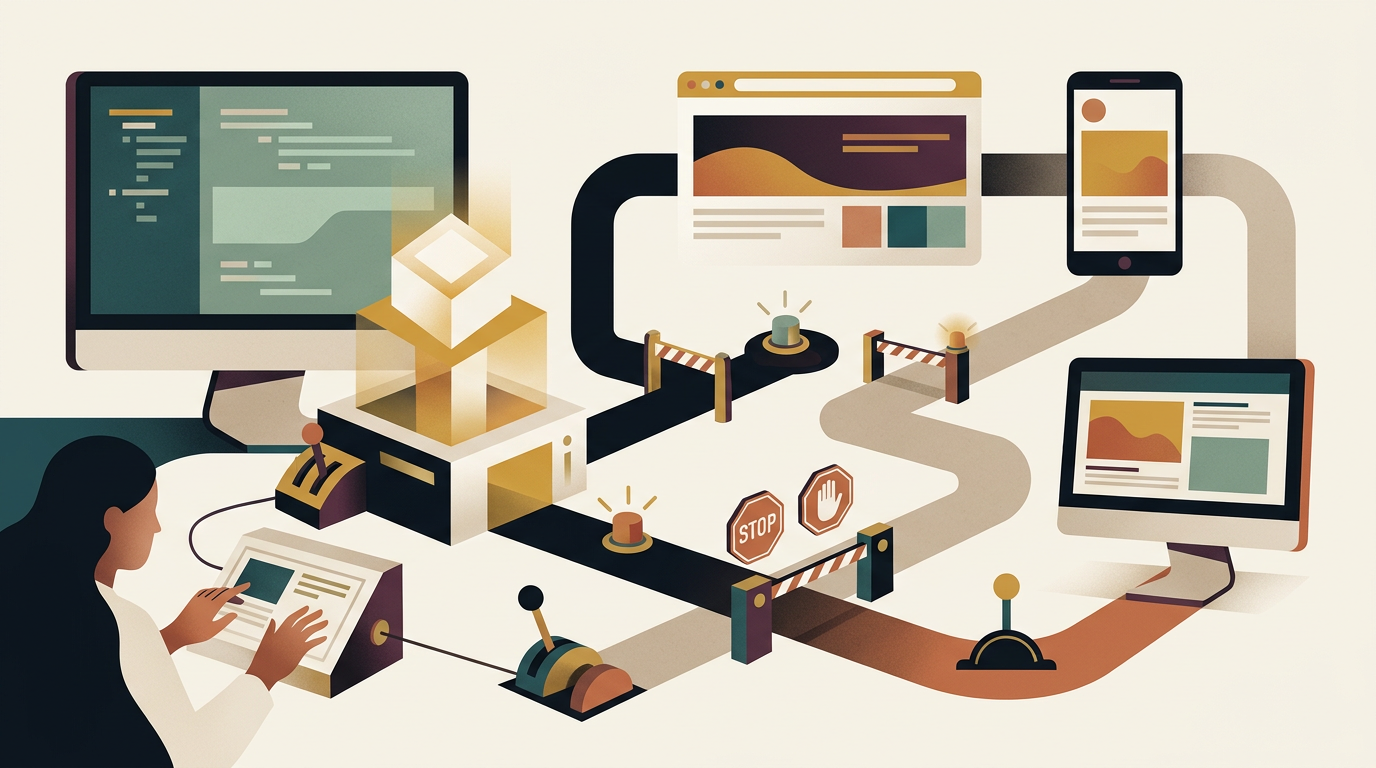
Google’s October 30 release notes mark Gemini Computer Use as generally available through both the Gemini Interactions API and the GenerateContent API. The capability lets an application provide screenshots and receive model-suggested interface actions, such as clicks, typing and navigation, for browser, mobile and desktop environments.
That does not mean Google is operating the computer on the application’s behalf. The developer’s software must execute the suggested actions, continue the interaction loop and decide when an action should be blocked or confirmed. Google’s Computer Use documentation also warns about errors and security vulnerabilities.
The release is an availability milestone, not evidence that the technology is reliable for every workflow. It also does not mean every documented capability debuted on October 30; Computer Use was previewed earlier.
Why it matters
The practical opportunity is for businesses that need to connect an agent to software with no usable API. A bounded workflow might involve moving information between legacy systems, handling repetitive browser tasks or supporting an internal operations process that currently depends on manual copying and clicking.
But the economics are broader than the API call. A business considering a pilot needs to account for:
- Execution infrastructure: the environment where actions actually run, including browser, mobile or desktop access.
- Oversight: confirmation rules for payments, data changes, account access and other consequential steps.
- Recovery: what happens when the model misreads a screen, encounters an unexpected state or performs the wrong action.
- Security: permissions, sensitive data exposure and the possibility that interface automation amplifies an error.
The Gemini API changelog confirms the general-availability change. A third-party summary is available from Forkast, but neither the release nor the documentation establishes measured return on investment, superior reliability or safe autonomous operation.
For owners, the relevant question is not whether an agent can click through software. It is whether the avoided labor and integration cost justify a controlled system that can detect, stop and repair mistakes.